Reducing Packaging Waste Without Compromising Product Safety
Finding the right balance between environmental responsibility and item protection remains a significant challenge for modern businesses. Consumers increasingly demand sustainable practices, yet they also expect their purchases to arrive in pristine condition. Reducing the volume of materials used in shipping and retail display does not have to mean sacrificing the structural integrity that keeps goods secure during transit. By approaching this operational necessity with a strategic mindset, companies can significantly lower their carbon footprint while maintaining high standards of quality assurance. The key lies in evaluating current methods and adopting innovative solutions that prioritise both ecological preservation and structural reliability.
Analyse the entire lifecycle of your current materials
Before implementing any sweeping changes, organisations must conduct a comprehensive audit of their existing wrapping and boxing processes. This evaluation should identify areas where excess materials are routinely utilised without providing any measurable protective benefit. Often, companies default to standardised boxes or excessive bubble wrap simply out of habit rather than necessity. By mapping the entire journey of a product from the manufacturing floor to the customer, businesses can pinpoint exact stages where protective layers are redundant. This meticulous assessment provides the foundational data required to transition towards streamlined solutions, ensuring that every layer serves a specific, protective purpose rather than acting as wasteful filler.
Transition towards lightweight and renewable resources
Modern material science offers numerous alternatives that provide exceptional shock absorption and tensile strength without the heavy environmental toll of traditional plastics. Biodegradable packing peanuts made from cornstarch, corrugated cardboard crafted from recycled fibres, and mushroom-based packaging are excellent examples of sustainable materials that rival the protective qualities of polystyrene. These renewable resources are engineered to dissipate kinetic energy during transit, shielding fragile items from drops and vibrations. Selecting lightweight variations also reduces overall shipping weight, lowering transport emissions and fuel consumption. This underscores how material innovation supports ecological goals and logistical efficiency.
Adopt custom dimensions for precise item fit
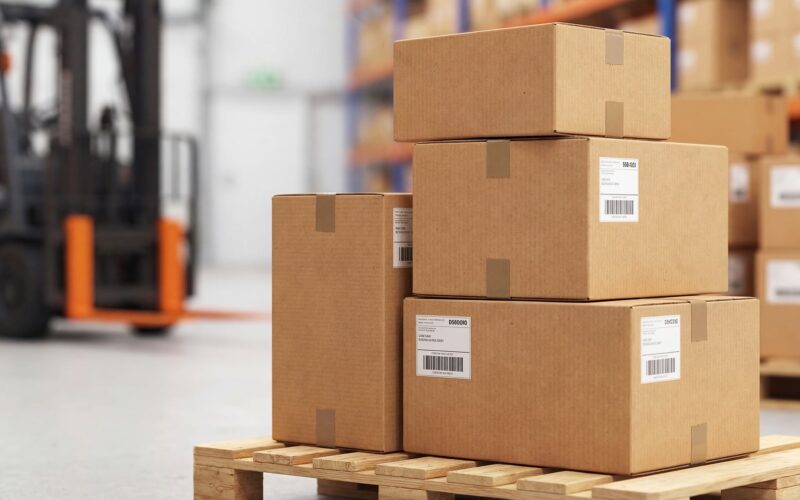
One of the primary drivers of excess waste is the use of overly large containers that require massive amounts of void fill to prevent items from shifting. Investing in technology that calculates the precise dimensions needed for each specific product eliminates this inefficiency entirely. Custom-fitted boxes hug the contours of the item, creating a snug environment that naturally restricts movement and drastically reduces the need for supplemental padding. While bespoke sizing may require an initial investment, the long-term savings in material costs and the dramatic reduction in environmental impact make it a worthwhile endeavour.
Implement rigorous testing for all new designs
Transitioning to minimalist or alternative packaging must be accompanied by stringent quality control protocols to guarantee that product safety is never compromised. Simulating the harsh conditions of real-world logistics through vibration testing, compression analysis, and drop simulations ensures that the new designs can withstand the rigours of transit. This empirical approach removes the guesswork from sustainable transitions, allowing engineers to incrementally reduce material usage until they reach the exact threshold of necessary protection. By relying on concrete data rather than assumptions, businesses can confidently deploy eco-friendly solutions, knowing that their products will still survive the complex and often rough journey through the modern supply chain.
Communicate the value of sustainability to stakeholders
The final element of a successful transition involves transparent communication with both your supply chain partners and the end consumers. When customers receive a package that appears minimalist, they must understand that this is a deliberate, environmentally conscious choice rather than a lack of care. Clear labelling that highlights the sustainable nature of the materials and provides instructions for recycling or composting reinforces the brand's commitment to the planet. Engaging suppliers in this dialogue also encourages them to adopt similar practices, creating a ripple effect that magnifies the positive environmental impact. Ultimately, educating stakeholders transforms a logistical adjustment into a powerful testament to the company's core values.